
Weld to inspection standard
You practise until your welds pass inspection, not until the lesson ends.
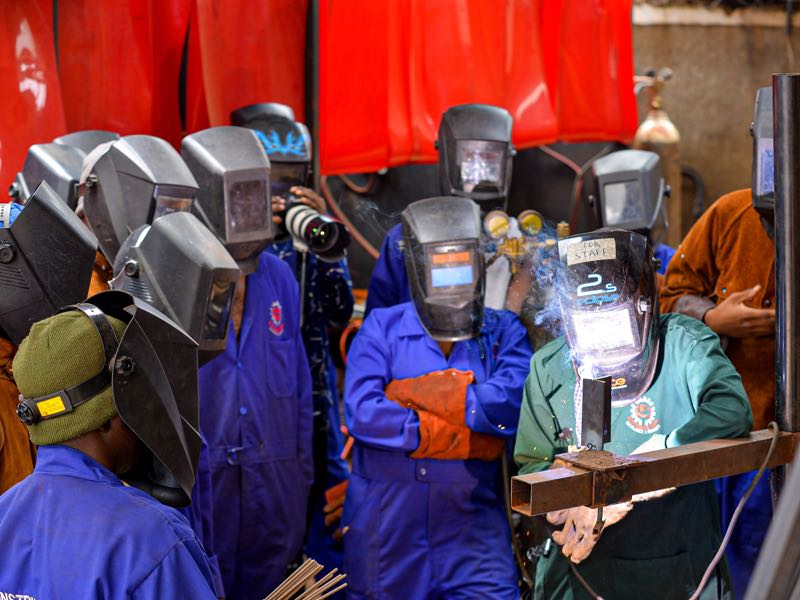
Train to American Welding Society standards on Lincoln Electric's curriculum, with your own machine in your own booth. Small classes with a low student-to-instructor ratio, and the skills employers are hiring for.
94%
of our 2025 graduates found work
Trained to the standard employers look for.
Trained to AWS standards on Lincoln Electric's curriculum
Every year, thousands of Ugandans finish university and only a few find work. Meanwhile, construction sites, factories and workshops can't find enough people who can weld to a standard.
That gap is your opportunity. A trained welder in Kampala often earns more than someone with an office job, because there are fewer of them.
The course
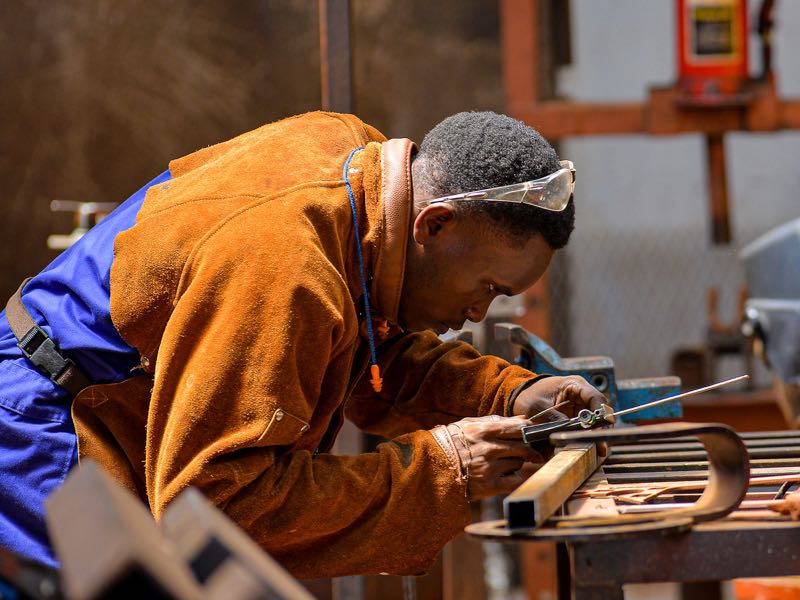
Four skills employers pay for, practised every day until they are second nature.
You practise until your welds pass inspection, not until the lesson ends.
Turn an engineering drawing into steel that fits the first time.
Build steel structures, food-processing equipment and everyday steel products.
Arrive on time, work clean, finish the job. It is the first thing a foreman notices.
Our workshop
Every squat rack, bench and rig in our catalog is welded in our workshop by students learning the trade. It's the proof of what you'll be able to build, and every sale helps pay for training.
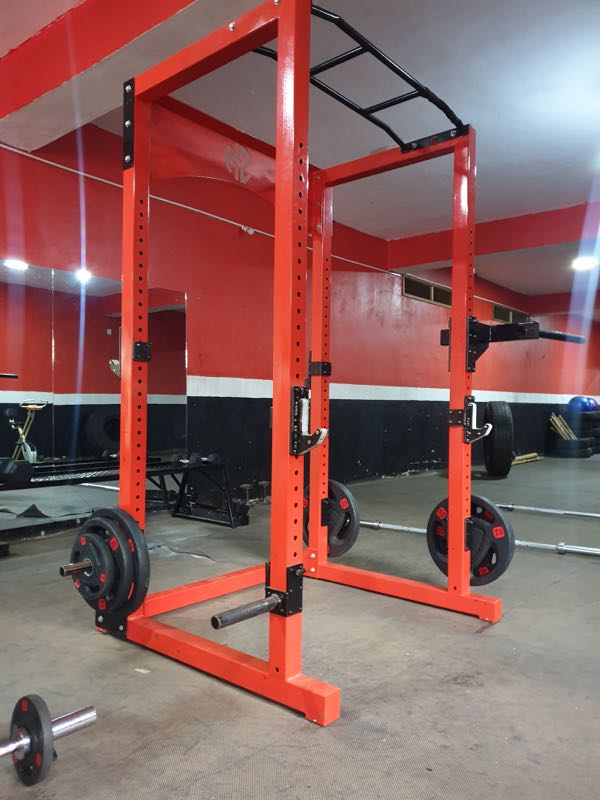
A full power cage with safety arms, J-hooks and a multi-grip pull-up bar, built for heavy squats, presses and pull-ups.
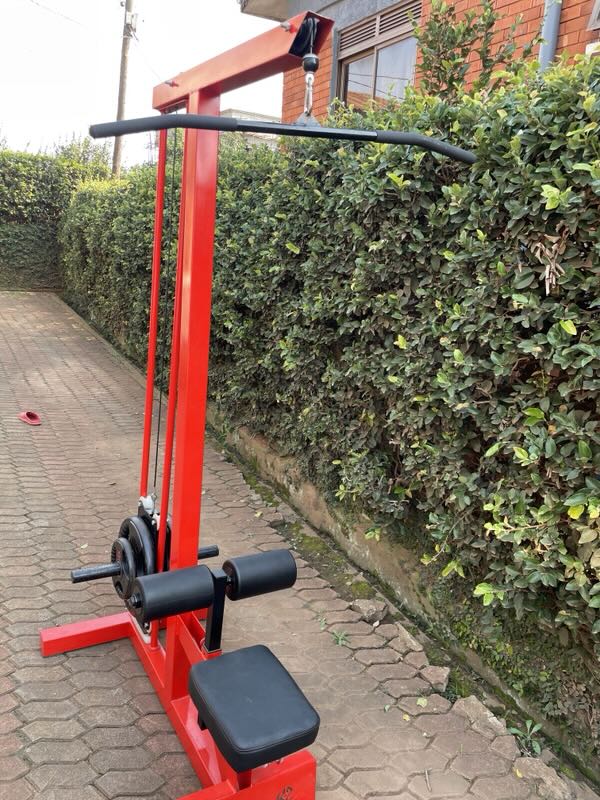
A plate-loaded cable station with a padded seat and leg hold-downs, for lat pulldowns and low rows.
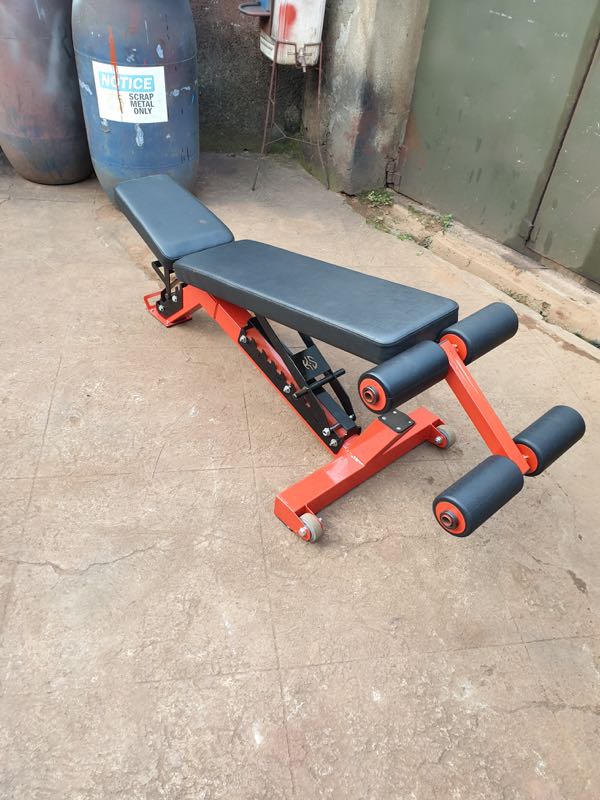
Flat, incline and decline in one bench, with padded leg rollers for decline work.
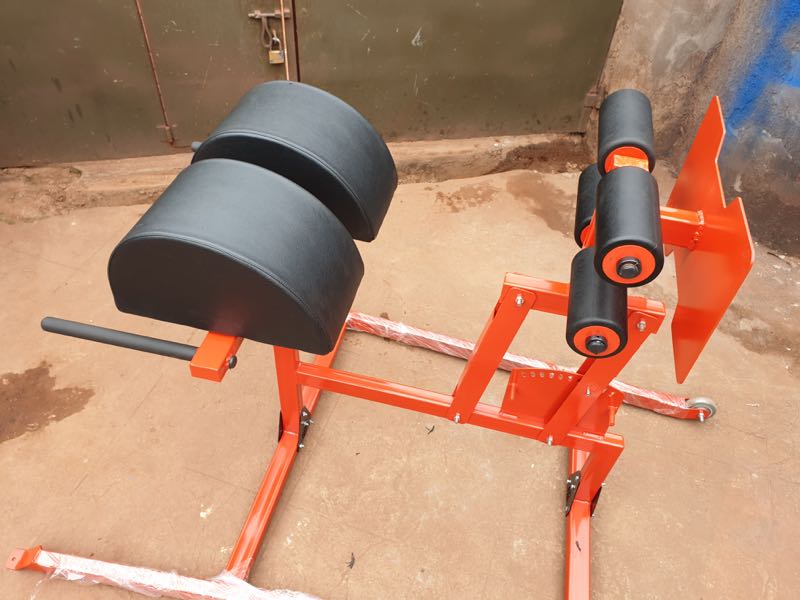
A glute-ham developer with twin padded hip rests and foot rollers, for hamstring, back and core work.
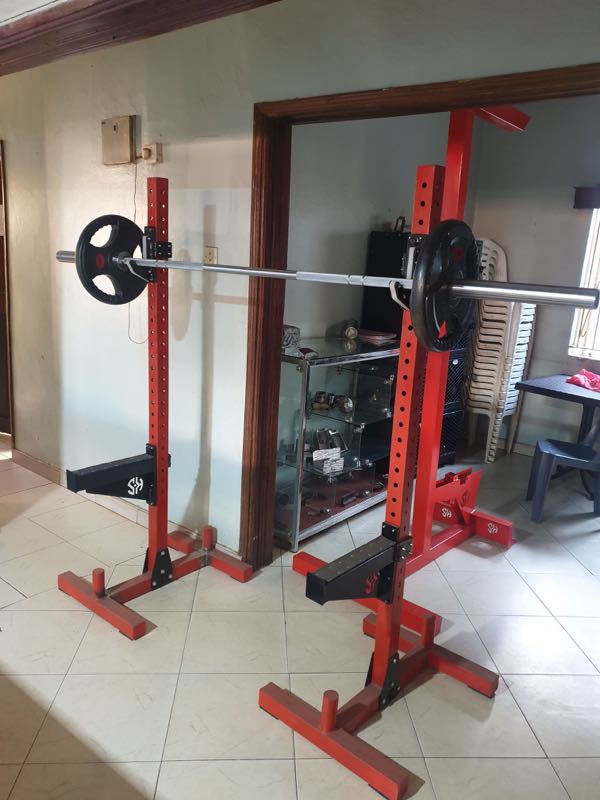
A pair of free-standing uprights with J-hooks, spotter arms and weight-plate storage.
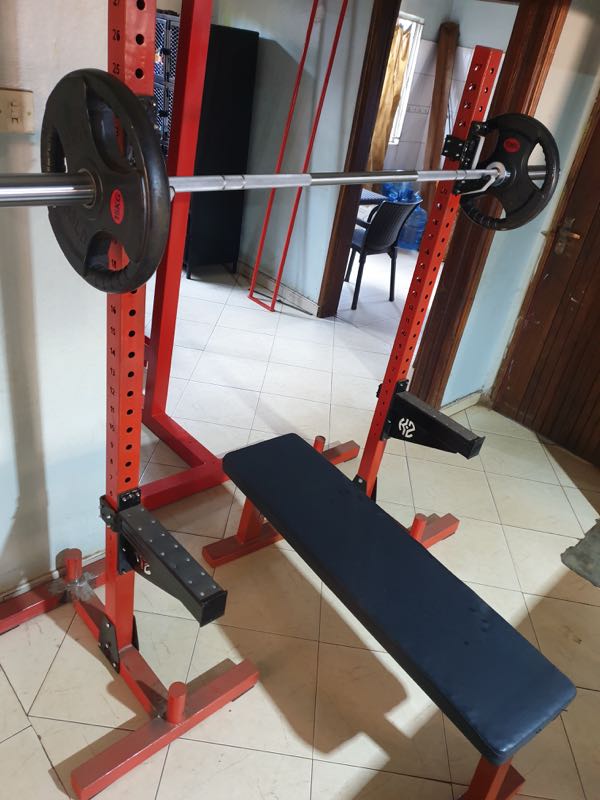
A solid, padded flat bench for pressing, rows and accessory work.
Fees
Two fees and no hidden extras. Our NGO already pays part of every student's tuition, so this is all you pay.
Meals are included, not extra. Many schools charge for food on top of fees. At Kazo, two meals a day are part of your semester fee, so you can focus on learning a trade.
You bring your own safety boots and dust masks.
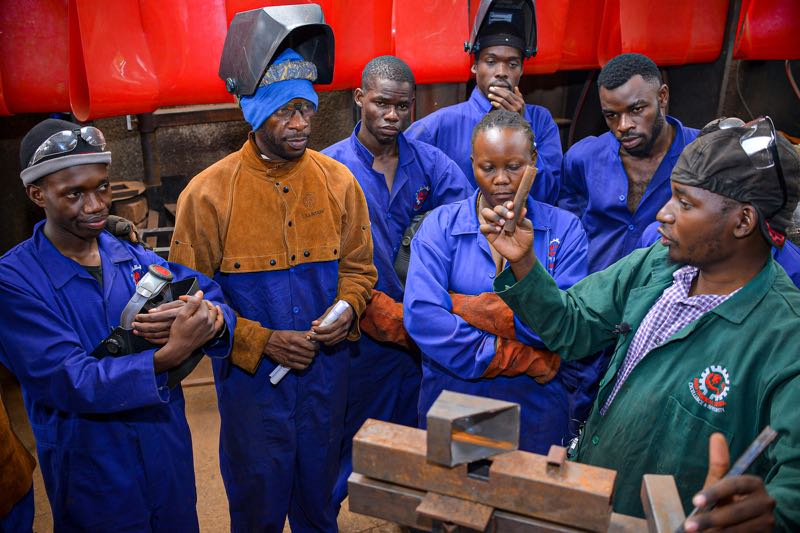
I used to have nothing to do.
Oliver Zola arrived as a refugee from the DRC. He washed cars and sold second-hand shoes, and he had never held a power tool. At Kazo he learned to weld. He now works on the workshop floor with a trade in his hands.
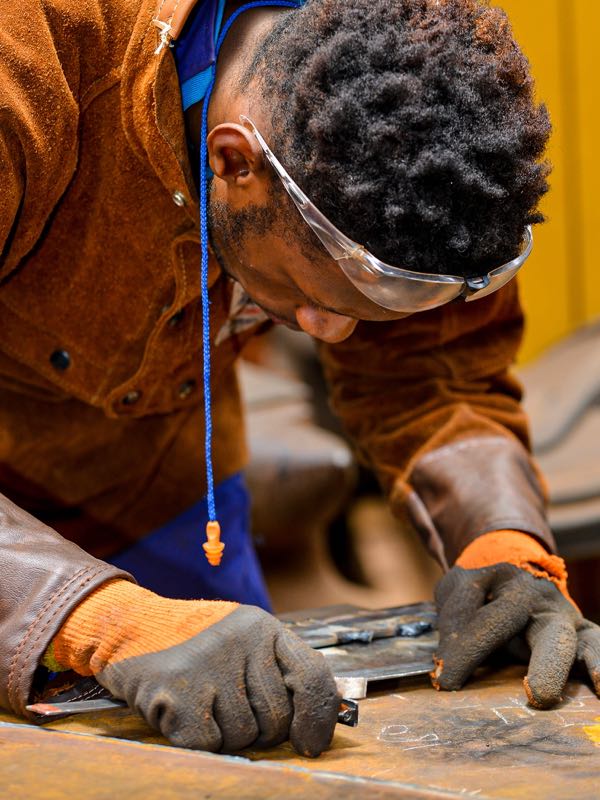
I used to have nothing to do.
Oliver Zola
Kazo graduate
How to start
Two hours in the booth with an instructor. Make your first weld and take it home. No payment, no commitment.
A short, practical test at the school. You get your result the same day.
Pay registration, collect your kit list and join the next intake.
Registration is UGX 35,000, paid once. Each of the two semesters is UGX 800,000, which covers tuition, breakfast and lunch on training days, your welding materials and student requirements. In the second semester there is also UGX 35,000 for the industrial tour. That makes UGX 1,670,000 for the full course. You bring your own safety boots and dust masks. The fee is already subsidised: our NGO pays part of every student's tuition. Every fee is listed on the fees page.
Under a year. The course runs over two semesters, and you spend two-thirds of that time in the booth with a machine in your hands.
A trained welder in Kampala often earns more than someone with an office job, because there are fewer trained welders. Pay rises as you move from trainee to qualified, certified and self-employed work. See what welders earn.
We don't place graduates in jobs, and we won't promise you one. What we do is train you to the standard employers look for. 94% of our 2025 graduates found employment.
You don't need a degree or any welding experience. You need to be ready to work with your hands, turn up every day and sit a short practical placement test at the school.
Nothing yet. Don't buy anything until after your interview. You'll need safety boots that cover the ankle, dust masks and safety glasses (we supply glasses for UGX 5,000), and we'll tell you exactly what to get.
Safety boots with safety toes that cover the ankle, dust masks to protect your lungs, and clean, scratch-free safety glasses. Your kit is checked at the start of every training day.
One focused course in arc welding and metal fabrication, over two semesters. Semester one covers arc welding fundamentals. Semester two covers fabrication and reading engineering drawings. One-third is classroom theory and two-thirds is booth practice, in small classes with a low student-to-instructor ratio.
Steady hands and patience come first. Employers also want someone who can read a drawing, weld without warping the work, turn up on time and leave the site safe. We teach all of it.
Across Uganda's industrial sector: construction and steel structures, food-processing equipment, gates, furniture and roofing, and infrastructure projects. Many welders also run their own workshops.
If you want to be paid for what your hands can do, yes. The course takes under a year, and trains you to American Welding Society standards. 94% of our 2025 graduates found employment.
Everything you need to decide, sent to your WhatsApp: the full syllabus, every fee, the equipment list with prices, and what welders earn in Kampala.
Walk the booths, meet an instructor and ask anything, including what it costs. You don't have to decide a thing.
We're in Kazo Muganzirwazza, Kampala, open Monday to Friday, 8:00am to 5:00pm. Free sessions run every Saturday at 9:00am.
